Source Custom Mascara Boxes for Food, Electronics, and Apparel
Find 30 options for custom mascara boxes designed for food, electronics, and apparel packaging. Compare features like single-wall corrugated cardboard, offset printing, and logo customization to find the right fit for your brand needs; compare the available evidence and request quotations based on your requirements.
Key considerations
Products List


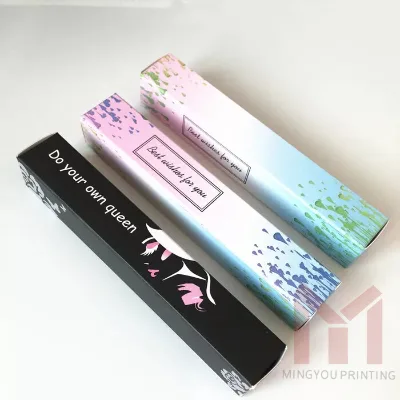
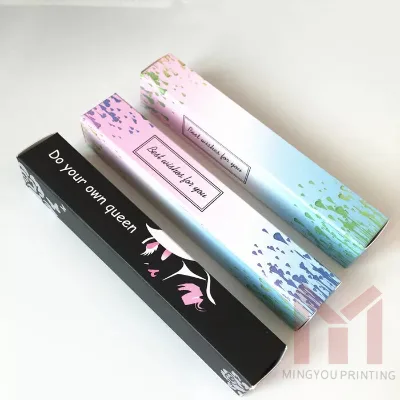


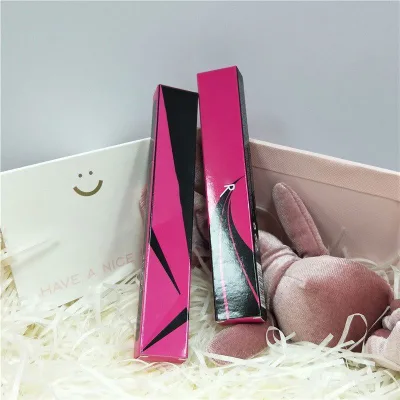


Comprehensive Sourcing Guide
Mascara Box Sourcing Guide
Procuring mascara packaging requires balancing aesthetic appeal with structural integrity to protect delicate cosmetic products during transit. The observed market data indicates a diverse range of options, including single-wall, double-wall, and triple-wall corrugated cardboard, alongside rigid paperboard and kraft board materials. Buyers must evaluate whether the specific application demands the durability of corrugated structures or the premium finish of art paper and cardboard to align with brand positioning.
Commercial listings reveal significant variability in customization capabilities, with many suppliers offering offset printing, UV varnish, and lamination finishes to achieve unique visual effects. The presence of accessories such as magnetic closures, ribbons, and PVC windows suggests that the final product often extends beyond a simple container to include functional or decorative elements. Sourcing strategies should prioritize suppliers who can accommodate these specific design trends while maintaining the structural requirements for mascara tubes.
Product Scope and Observed Listing Signals
The product scope for mascara boxes encompasses a wide array of applications, including cosmetics, electronics, apparel, and household goods, though the primary focus remains on the beauty sector. Listings frequently highlight the availability of custom shapes and sizes, ranging from middle dimensions to fully bespoke specifications, allowing brands to differentiate their products on retail shelves. The observed material diversity, from standard paper to specialized kraft board, provides flexibility for different budget tiers and sustainability goals.
Market signals indicate that customization is a standard expectation rather than a premium add-on, with many suppliers accepting custom orders and offering individualized design trends. The presence of specific model numbers like JK74 and GU82 suggests that while some standardized templates exist, the market is heavily driven by tailored solutions. Buyers should verify that the observed "Single" printing page and specific surface finishes like embossing or glossy lamination are available for their specific volume requirements.
Technical Specifications to Verify
Technical verification must begin with the structural composition of the box, specifically the choice between single, double, or triple-wall corrugated cardboard versus rigid paperboard. The selection of paper type, such as art paper or kraft board, directly influences the print quality and the perceived value of the packaging. Buyers should confirm that the supplier can deliver the required wall thickness and material grade to ensure the box protects the mascara tube from crushing or deformation during shipping.
Surface finishing and printing capabilities are equally critical, with observed options including CMYK and Pantone color printing, UV varnish, and various lamination techniques. The specific model numbers and size specifications listed in supplier catalogs often serve as starting points, but the final dimensions must be customized to fit the exact mascara tube geometry. It is essential to validate that the supplier's offset printing process can accurately reproduce the brand's logo and design elements without color shifting or registration errors.
Compliance and Safety Documentation
While specific certification statuses like ISO 22716 are noted in background data, buyers must explicitly request current compliance documentation from the supplier rather than assuming adherence. For cosmetic packaging, verifying that the materials used are safe for direct or indirect contact with beauty products is a non-negotiable requirement. The sourcing guide emphasizes the need for suppliers to provide material safety data sheets or declarations of conformity that align with the destination market's regulatory standards.
Documentation should also cover the environmental safety of the inks and adhesives used in the printing and assembly processes. Given the observed use of various paper types and finishing techniques, buyers need to ensure that the final product meets local recycling guidelines and does not contain prohibited substances. The absence of explicit certification claims in the provided facts necessitates a proactive approach where the buyer demands proof of compliance before finalizing any purchase order.
Cost Drivers and Commercial Terms
Cost drivers in mascara box procurement are heavily influenced by the complexity of the design, the choice of material, and the volume of the order. The observed MOQ range of 100 to 18,000 units indicates that smaller brands may face higher per-unit costs, while larger volumes can leverage economies of scale. Additional costs often arise from specialized finishing processes like embossing, magnetic closures, or custom ribbon attachments, which require extra labor and tooling.
Commercial terms vary significantly, with lead times ranging from 7 working days after payment to 12-15 working days after deposit receipt. Payment methods such as L/C, T/T, and PayPal are commonly accepted, but buyers should negotiate clear terms regarding sample times, which are typically 3-5 days. Understanding the relationship between the order quantity, the complexity of the customization, and the resulting lead time is crucial for effective supply chain planning and inventory management.
Supplier Qualification and Quality Control
Supplier qualification should focus on their ability to maintain consistent quality across large production runs, particularly given the diverse range of observed models and materials. Buyers must assess the supplier's quality control protocols to ensure that the final product matches the approved artwork and physical specifications. The presence of multiple origin locations, including Shenzhen, Shanghai, and Guangdong, suggests a competitive market where buyers should compare the specific capabilities of each facility.
Quality control checks should include visual inspections for printing defects, structural integrity tests for the box walls, and verification of accessory attachment points. Since the observed data mentions advantages like "High Quality with Competitive Price," buyers should request sample batches to validate these claims before committing to a full order. Establishing a clear communication channel for addressing defects and ensuring that the supplier adheres to the agreed-upon standards is essential for long-term success.
Long-Term Procurement Checks
Long-term procurement success relies on establishing a reliable partnership with a supplier who can scale production as the brand grows. Buyers should regularly review the supplier's ability to meet changing lead times and maintain consistent quality as order volumes increase. The flexibility to adjust specifications, such as switching from single-wall to double-wall corrugated cardboard, ensures that the packaging can adapt to new product lines or shipping requirements.
Continuous monitoring of the supply chain is necessary to mitigate risks associated with material availability and production delays. Buyers should maintain open dialogue regarding design trends and market shifts to ensure the packaging remains competitive. By verifying that the supplier can consistently deliver on their promises regarding payment terms, shipping methods, and product specifications, brands can build a resilient supply chain that supports their growth in the cosmetics industry.
FAQs
What materials are used for mascara boxes?
Mascara boxes are typically crafted from paper-based materials such as cardboard, kraft board, and art paper. These materials provide the necessary structural integrity for cosmetic packaging while allowing for high-quality printing. Some options also include corrugated paper variants like single or double wall constructions for enhanced durability during shipping and handling.
Can mascara boxes be customized with a logo?
Yes, customization is available for mascara boxes, including logo printing. Buyers can choose from CMYK or Pantone color printing methods to match brand identities. Additional finishing options like UV varnish, glossy lamination, or matte lamination are often offered to enhance the visual appeal and tactile experience of the final packaging product.
What is the typical lead time for production?
Production lead times generally range from 7 to 15 working days depending on the supplier and order specifics. Some manufacturers require 7 working days after payment and artwork confirmation, while others may take 12 to 15 working days after deposit receipt. Sample preparation usually takes 3 to 5 days prior to bulk production.
What is the minimum order quantity for these boxes?
The minimum order quantity varies by supplier, with observed ranges starting from 100 units up to 18,000 units. Some specific listings indicate an MOQ of 500 units. Buyers should verify the exact MOQ with the manufacturer, as it often depends on the complexity of the design, material choice, and printing requirements for the custom packaging.
Where are these mascara boxes typically manufactured?
These packaging products are primarily manufactured in China, with key production hubs located in Shenzhen, Shanghai, and Guangdong. Buyers can source from these regions to access established supply chains and manufacturing capabilities. Shipping options include express, sea, and air freight to accommodate different logistical needs and delivery timelines for international orders.